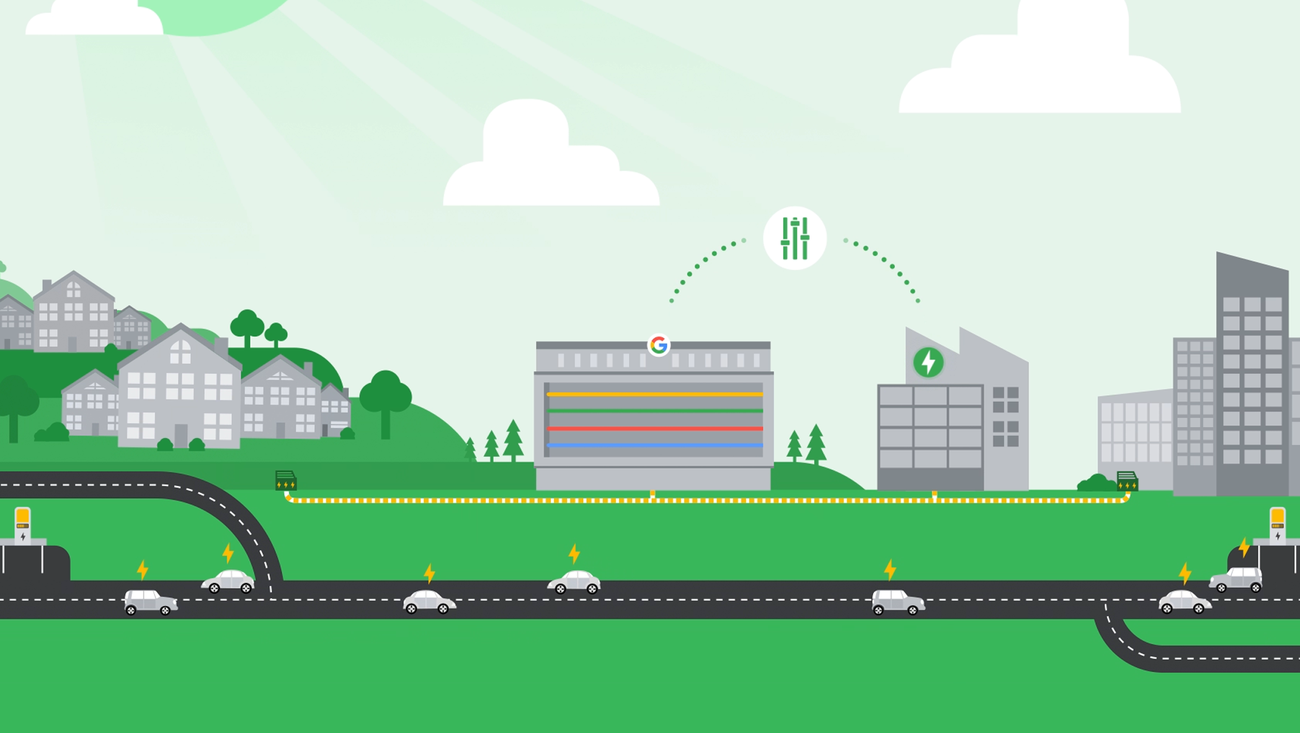
Google’s March 2026 Michigan announcement placed a set of electricity resources beside its plans for more computing. The company said its data-center operations would be served by 2.7 gigawatts of new grid resources, including solar power, advanced storage and demand flexibility. The announcement describes a portfolio, not one power station that can be assumed to supply that amount continuously. The distinction matters to an AI business promising a service that is available whenever customers need it.
Autonomous software turns computing capacity into an ongoing operating obligation. An agent running a long workflow cannot be supported by an impressive construction announcement alone. Its operator needs equipment, electricity and a functioning service at the same time. The Michigan plan is useful because it makes some of those dependencies explicit, even though the final test remains delivery.
A gigawatt is not a timetable
Generation capacity, stored energy and computing demand describe different things. A solar installation’s rated capacity does not specify its output at night. A battery’s power rating does not say how long it can deliver that power. Demand flexibility is an agreement to change consumption, not an additional supply of electricity. Adding the headline numbers together without retaining those differences produces a misleading picture of reliability.
For a project planner, the important record is chronological. When does each resource enter service? Which part of the computing load depends on it? What supports the facility before the complete portfolio is available? These questions can reveal a gap that a large aggregate capacity figure conceals. They also identify whether the developer is buying a temporary bridge or a durable operating arrangement.
The promise to pay needs a boundary
In a separate March statement, Google committed to paying for the power its data centers use and new infrastructure costs directly driven by its growth. That is a significant statement of responsibility, but a public commitment and an implemented tariff are different forms of evidence. The practical effect depends on how utilities identify the costs, allocate shared assets and handle a project that grows more slowly than expected.
Consider a new substation sized for a planned campus. It may also provide wider benefits to the network, while its financing begins before the campus reaches full demand. A reasonable agreement needs to address both facts. The issue is not resolved by saying that every cost belongs to one party or that every network benefit justifies spreading the bill across everyone.
Flexibility can help, within limits
Google’s demand-response announcement says it has integrated one gigawatt of demand-response capacity into long-term utility agreements. Its description focuses on shifting or reducing some machine-learning work. That creates an important distinction inside an AI business: some jobs can wait, while others are tied to an immediate customer request or a time-sensitive physical process.
A company developing autonomous machines may be able to reschedule simulation or model evaluation. It cannot assume that a remote service supervising those machines has the same flexibility. The workload inventory should therefore identify which computing tasks can move, for how long, and what happens when several constraints arrive together. Flexibility is more credible when it is specified in operating terms than when it appears only as a percentage of campus demand.
Equipment can become the critical path
The Department of Energy’s grid supply-chain analysis treats the equipment behind electricity delivery as a planning concern in its own right. For a data-center developer, the broader implication is straightforward: a processor delivery date is not a complete infrastructure schedule. Electrical equipment, interconnection work and commissioning need their own milestones and contingencies.
That changes the way an AI company should explain its capacity to investors and customers. Announced megawatts belong in a pipeline. Energized equipment belongs in a different category. Computing that has passed a service acceptance test belongs in another. Keeping those categories separate makes it possible to see whether a delay is in construction, utility delivery, hardware installation or application readiness.
Autonomy exposes the cost of interruptions
The more responsibility a service takes on, the more important continuity becomes. A delayed training run may postpone a product release. A delayed customer-support agent may create a backlog. A delayed command in a physical operating process can require a local fallback. These are different consequences, and the energy plan should reflect the service being sold rather than treating all AI demand as equally urgent.
The strongest infrastructure proposals will connect those consequences to practical design choices. They will explain which functions remain available during a grid event, which tasks pause, and who decides when normal operation resumes. They will also say how much spare capacity is being paid for and why. Such details make a large power agreement easier to assess without dismissing its strategic value.
Google’s Michigan announcement describes solar generation, advanced storage and flexibility together. That combination highlights an important planning distinction: a diversified resource portfolio is assembled to serve an operating requirement, not to maximize a single technology’s nameplate figure. The terms and timing of each component determine how much dependable service the portfolio can support. A reader assessing the agreement should therefore look for the individual delivery milestones as they become public. The next informative announcement may concern a resource entering service or a connection being completed, rather than another increase in the long-term campus target.
Google’s Michigan portfolio illustrates the scale of coordination that now sits behind AI expansion. It does not mean every startup must become an energy developer. It means a startup’s cloud strategy inherits the energy decisions of its providers. The relevant question for autonomous AI is therefore no longer just where the model runs. It is what has to be built, contracted and tested before that location can support the promised work.
Sources & evidence
This archive preserves its original editorial date. Sources describe the events and announcements discussed; they do not establish today’s status.