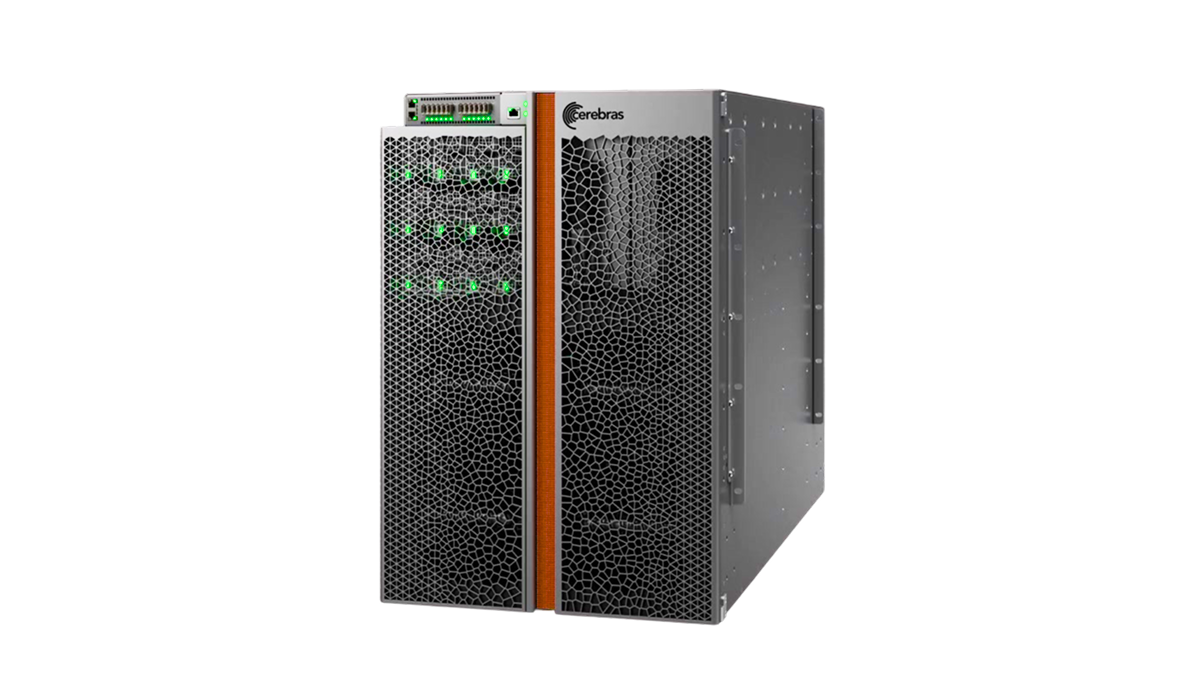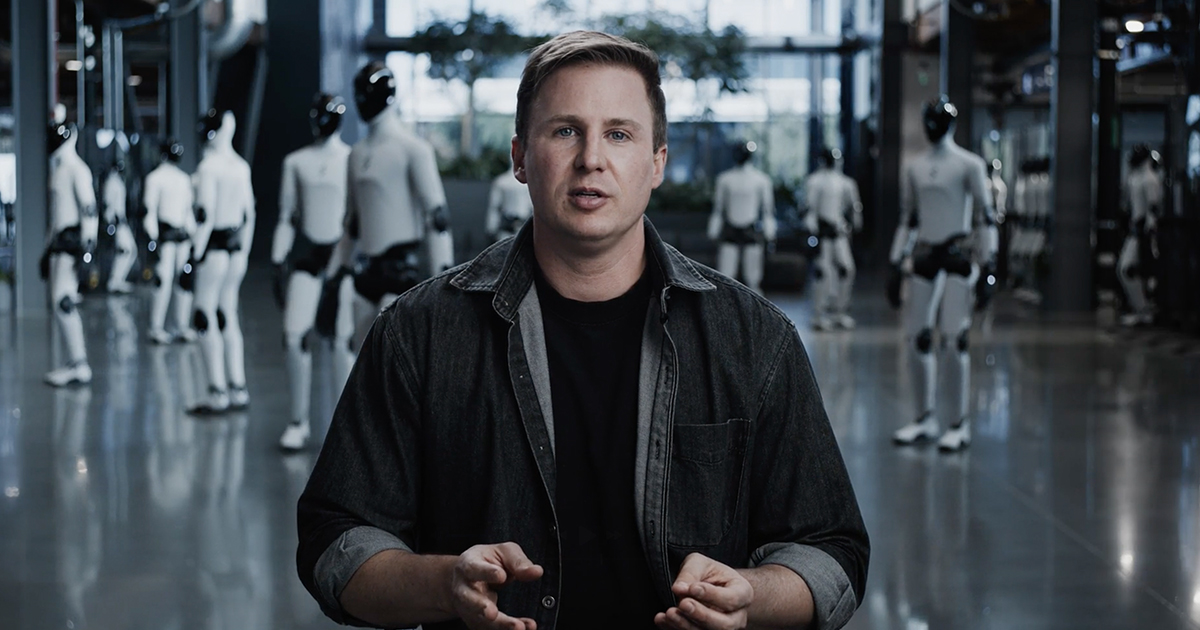
Figure announced a September 2026 partnership with Nscale for up to 100,000 GPUs on NVIDIA’s Vera Rubin platform, with initial deployment targeted for the second half of 2027. It described a $3.5 billion initial computing commitment and an intention to scale beyond $6 billion. The announcement ties a humanoid company’s ambition to a substantial future infrastructure obligation. It does not say that all the capacity is already running or that the larger figure is already spent.
That distinction is central to the economics of autonomy. A company may need computing before it can improve its product, while the revenue from that improvement remains uncertain. Securing capacity can reduce one risk and create another: the business gains a path to more training, but also needs enough valuable work to justify the commitment.
Different numbers describe different obligations
The initial commitment, intended expansion and maximum GPU count should stay in separate columns. They describe related plans, not interchangeable measures of completed investment. Combining them into a single amount can overstate what has happened and make later progress difficult to assess. The timeline matters just as much as the amount.
The same discipline applies to the announcement’s strategic relationship. Figure said Nscale would also invest in the company and that the parties would explore using humanoids in Nscale’s supply chain. Those elements may align incentives, but they do not establish the value or timing of future robot sales. A computing purchase and a potential customer relationship should be analyzed on their own terms.
The platform is also a dependency
NVIDIA’s Vera Rubin overview describes a coordinated infrastructure platform. For a customer committing ahead of deployment, the technical roadmap and the capacity delivery plan become linked. The company needs to know which configuration will be available, how its software will use it and what happens if delivery or requirements change.
This is not an argument against large commitments. Some ambitious workloads require planning at a scale that short-term purchases cannot easily support. It is an argument for identifying what the commitment secures: a particular resource, a service level, a place in a delivery schedule or some combination. Without that detail, the headline amount is an incomplete description of the asset being bought.
Utilization determines the effective price
AWS’s Savings Plans documentation offers a simpler example of the same economic principle: a customer exchanges a usage commitment for different pricing. Figure’s Nscale arrangement is not an AWS Savings Plan, and its undisclosed terms should not be inferred from one. The general lesson is that a lower unit rate only helps when enough useful work consumes the committed resource.
For a robotics company, utilization means more than keeping accelerators busy. Training runs need data, engineering preparation and a way to evaluate whether the resulting model is better. If one of those inputs falls behind, computing can be technically available but economically underused. Conversely, insufficient capacity can slow an otherwise productive development program. The balance is specific to the company’s learning process.
Flexibility has an economic value
AWS’s overview of purchasing options distinguishes long-term pricing commitments from other ways to obtain computing. Again, those products do not reveal Figure’s contract. They illustrate why buyers should evaluate flexibility explicitly rather than treating it as the absence of a discount. An ability to change the timing, scale or type of capacity can be valuable when the workload is evolving.
The comparison should include plausible slow-growth and fast-growth cases. In one, the company pays for resources before it can use them well. In the other, scarce capacity constrains progress. A staged agreement can sometimes balance those risks, but whether a particular deal does so depends on its actual terms. Public readers should be careful not to invent protections that have not been disclosed.
Compute must connect to the robot
The final test is whether the infrastructure improves the product customers receive. For humanoids, that might mean broader task capability, more reliable operation or lower cost per completed job. A larger training run is an input, not the outcome. Investors need evidence connecting the two rather than assuming that computing expenditure converts automatically into commercial progress.
The initial deployment date is especially important: the announcement targets the second half of 2027. The computing plan therefore reaches beyond the date of this edition and belongs in a forward delivery schedule. It should not be used as a count of Figure’s currently operating GPUs. Nor does the intention to expand beyond the initial commitment establish that the larger amount has already become an obligation on the same terms. Those distinctions are not objections to the strategy. They are necessary to follow whether the strategy is progressing from announced ambition to delivered resources and then to a better product.
Figure’s announcement is significant because it makes that dependence visible at substantial scale. It shows a company planning autonomy as a combined data, model and infrastructure program. The next milestones should be equally concrete: capacity delivered, work performed, capability validated and customer value demonstrated. Those measures will say more about the economics of the commitment than the largest possible number in the original announcement.
Sources & evidence
This archive preserves its original editorial date. Sources describe the events and announcements discussed; they do not establish today’s status.