Digital Realty’s third-quarter results show why a signed data-centre lease and available capacity belong on different timelines. The October 29 release reports $855 million of annualised GAAP base-rent bookings at a 100% ownership share, alongside a weighted average 17-month lag between signing new leases and commencement. Digital Realty third-quarter results.
The company’s share of the bookings was $627 million. Its backlog was $2.5 billion at a 100% share and $1.8 billion at its own share. These pairs use different ownership boundaries; they should not be mixed to create a larger measure of company revenue.
Contracted demand precedes usable service
The backlog documents future contracted business, not current rental receipts or a count of servers already operating. A commencement lag gives projects time for construction, fit-out and delivery, while exposing customers to dependencies that remain after commercial terms are signed.
Our assessment is that procurement teams should treat lease execution as one milestone in a sequence. Their own equipment, power and networking schedules must converge with the landlord’s readiness before an installation can perform useful work.
Follow conversion into service
The immediate evidence is commencement of the contracted leases. Over time, backlog conversion and actual start dates can show whether delivery is keeping pace with sales. The bookings headline establishes commercial demand; it cannot by itself establish that the corresponding capacity is energised or producing customer workloads.
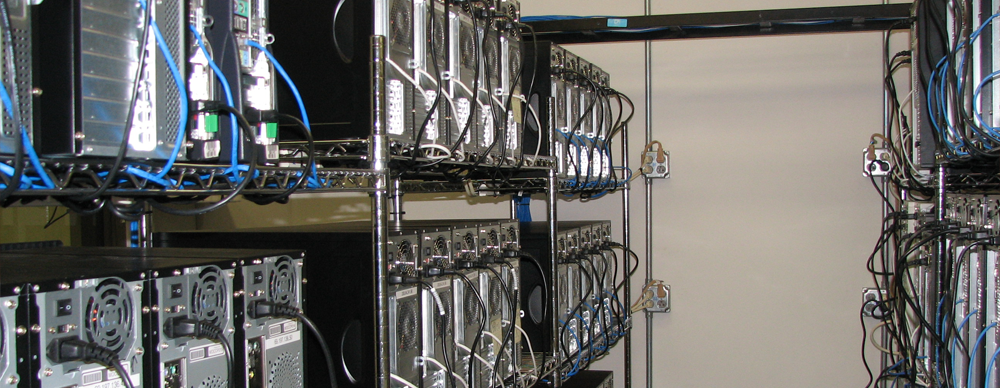
Image: Akramusns / CC BY-SA 4.0. Reuse terms. Original retained; responsive display may crop the frame.
Sources & evidence
Sources describe the announcements and evidence available when this analysis was published. Company claims are attributed; plans and trials are not treated as sustained operation.