Constellation Energy has tied a new power-purchase agreement with Google to an expansion of output at existing nuclear plants. Announced October 6, the 20-year agreement supports planned uprates totalling 890 MW across 11 units in Illinois, Pennsylvania and New Jersey, with the first expected in 2028. Constellation Google nuclear agreement.
The companies also announced a separate 15-year agreement covering 2,700 MW from existing generation. That second figure should not be counted as newly built capacity. The distinction matters when evaluating how a large electricity buyer changes supply rather than simply reserves it.
Adding output still takes execution
Uprating uses existing sites and generating assets, but additional output remains a project requiring engineering, approvals and commissioning. Constellation describes more than $4.3 billion of investment associated with the programme. Neither the spending commitment nor the purchase agreement means the full 890 MW is available today.
Our assessment is that long-duration demand can help support investment decisions where the delivery timetable extends beyond an individual data-centre build. The operational value will depend on when each increment arrives and how it aligns with local system needs.
Track commissioned increments
The immediate evidence is project progress at the named units. The useful longer-term measure is additional dependable output after commissioning, with the existing-generation purchase kept separate. Buyers should watch the schedule plant by plant rather than treating a portfolio headline as one energised block.
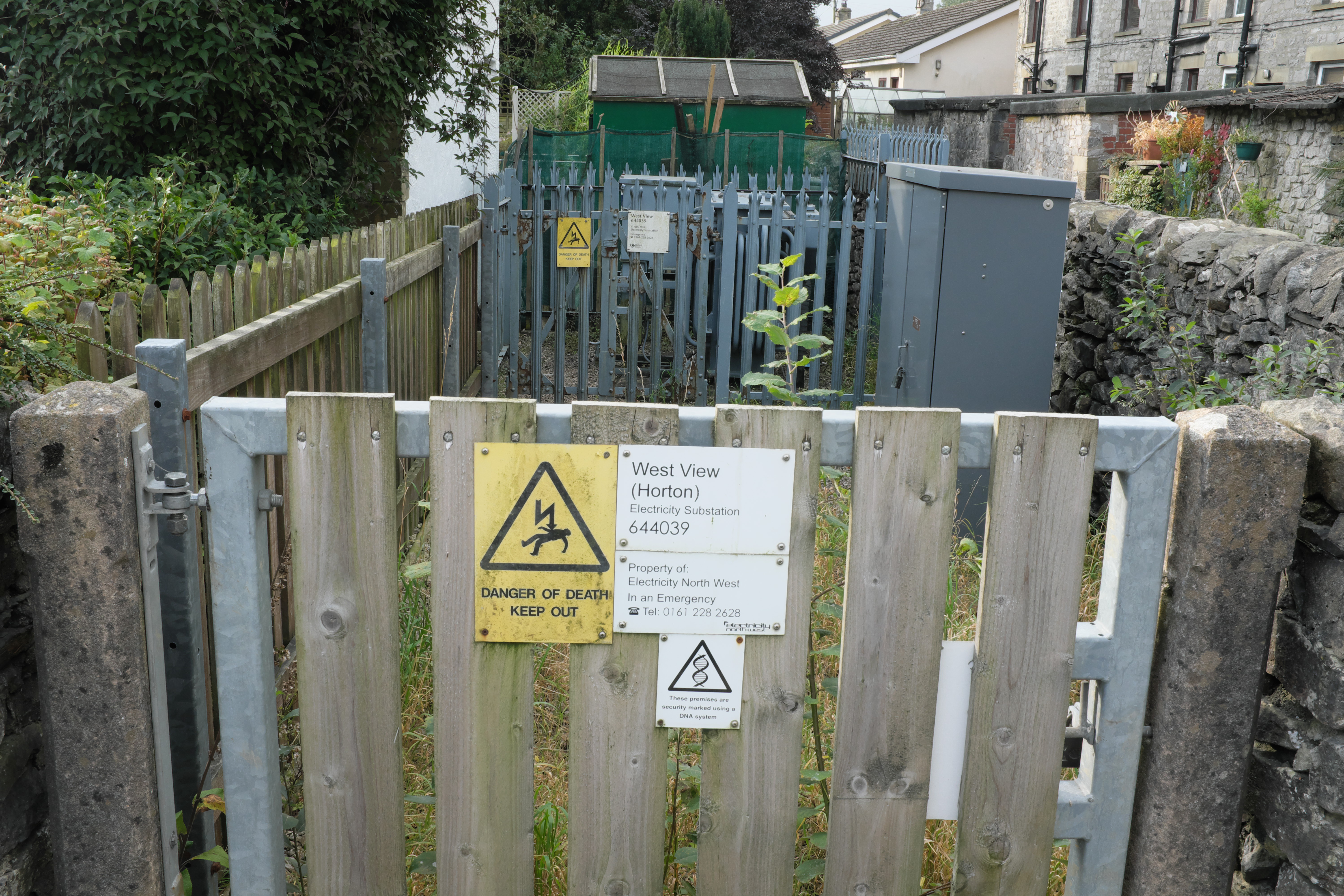
Image: Bob Harvey / CC BY-SA 2.0. Reuse terms. Original retained; responsive display may crop the frame.
Sources & evidence
Sources describe the announcements and evidence available when this analysis was published. Company claims are attributed; plans and trials are not treated as sustained operation.