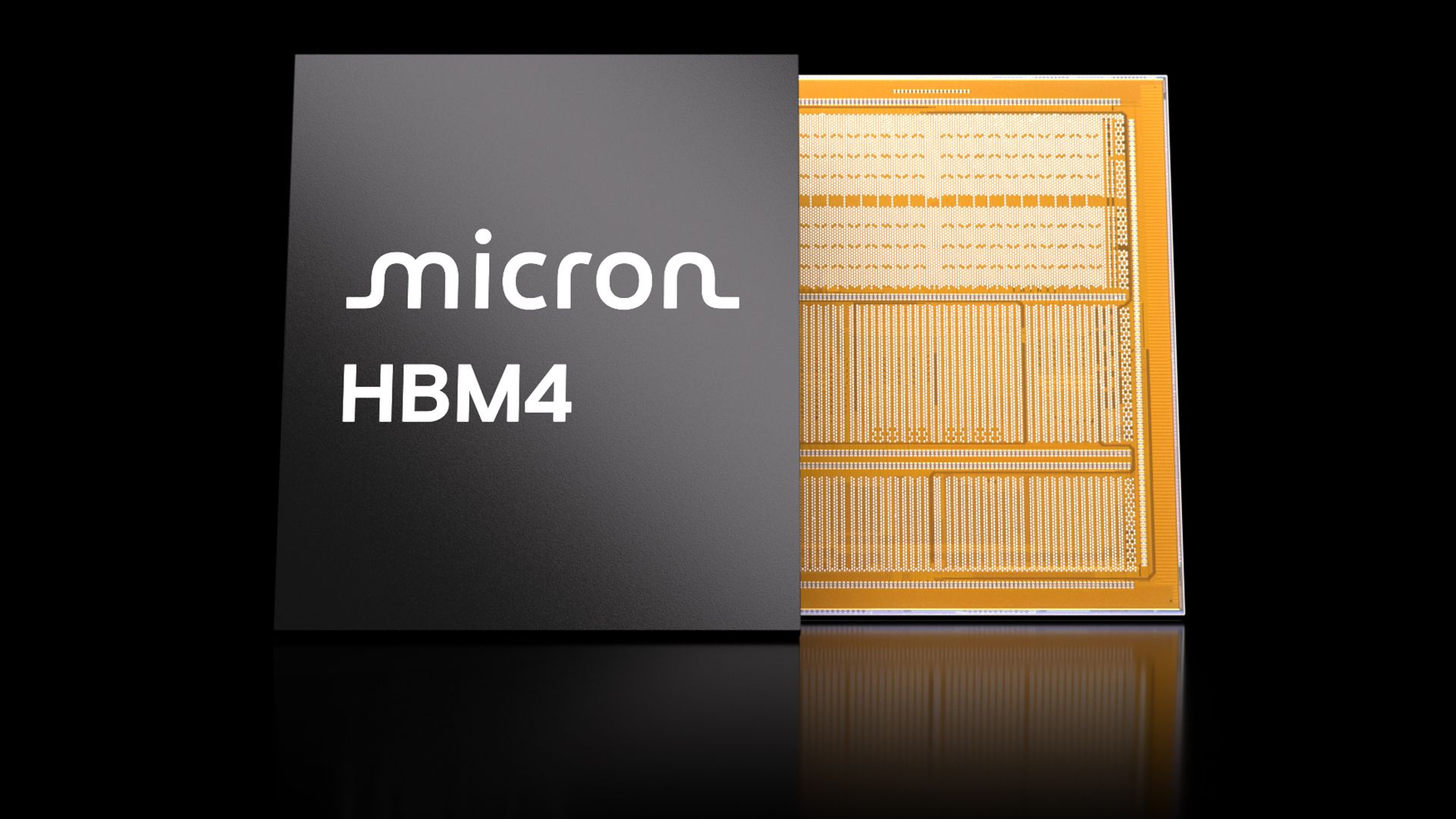
Micron announced in March that it had begun volume shipments of its 36-gigabyte, 12-layer HBM4 memory during the first quarter of 2026. The company identified NVIDIA’s Vera Rubin platform as a target. That is a manufacturing milestone in a component most users never see, but it matters to every business promising that an AI agent will remember more, reason longer or serve more customers. Micron’s announcement puts memory alongside processors as a condition for delivering those promises.
The important question is not simply whether a model fits on a machine. It is how much information the system can keep close to the processor while many requests compete for attention. A useful autonomous service must hold instructions, retrieved material and intermediate work without allowing every additional task to turn into a long wait. Buying a faster chip does not settle that question.
The work includes remembering
An agent answering a short question and an agent investigating a large collection of records place different demands on the same model. The second may revisit earlier material, wait for a tool, and continue from a growing history. Its memory requirements can rise even when the final answer is brief. Counting output words alone can therefore conceal the resources committed to the task.
HBM places high-bandwidth memory near advanced processors. Micron’s specifications describe a wider interface and higher bandwidth for HBM4. Those specifications establish what the component is designed to provide. They do not establish the speed of a complete application, which also depends on software, the model, concurrent users and where information resides before the request begins.
Capacity and speed answer different questions
Capacity determines how much can remain available at once. Bandwidth determines how quickly information can move. A service can suffer from either constraint, and relieving one may expose the other. More capacity can reduce the need to divide a model across machines, while greater bandwidth can help move data within a system that already has sufficient room.
That distinction is especially important when an AI company describes a longer context window. The advertised window is a model capability, not a guarantee that using its maximum length is economical at peak traffic. A buyer needs to see response times and costs at the lengths employees actually use. The longest supported request may be appropriate for an occasional investigation and unsuitable as the default setting for every routine task.
The product is a coordinated system
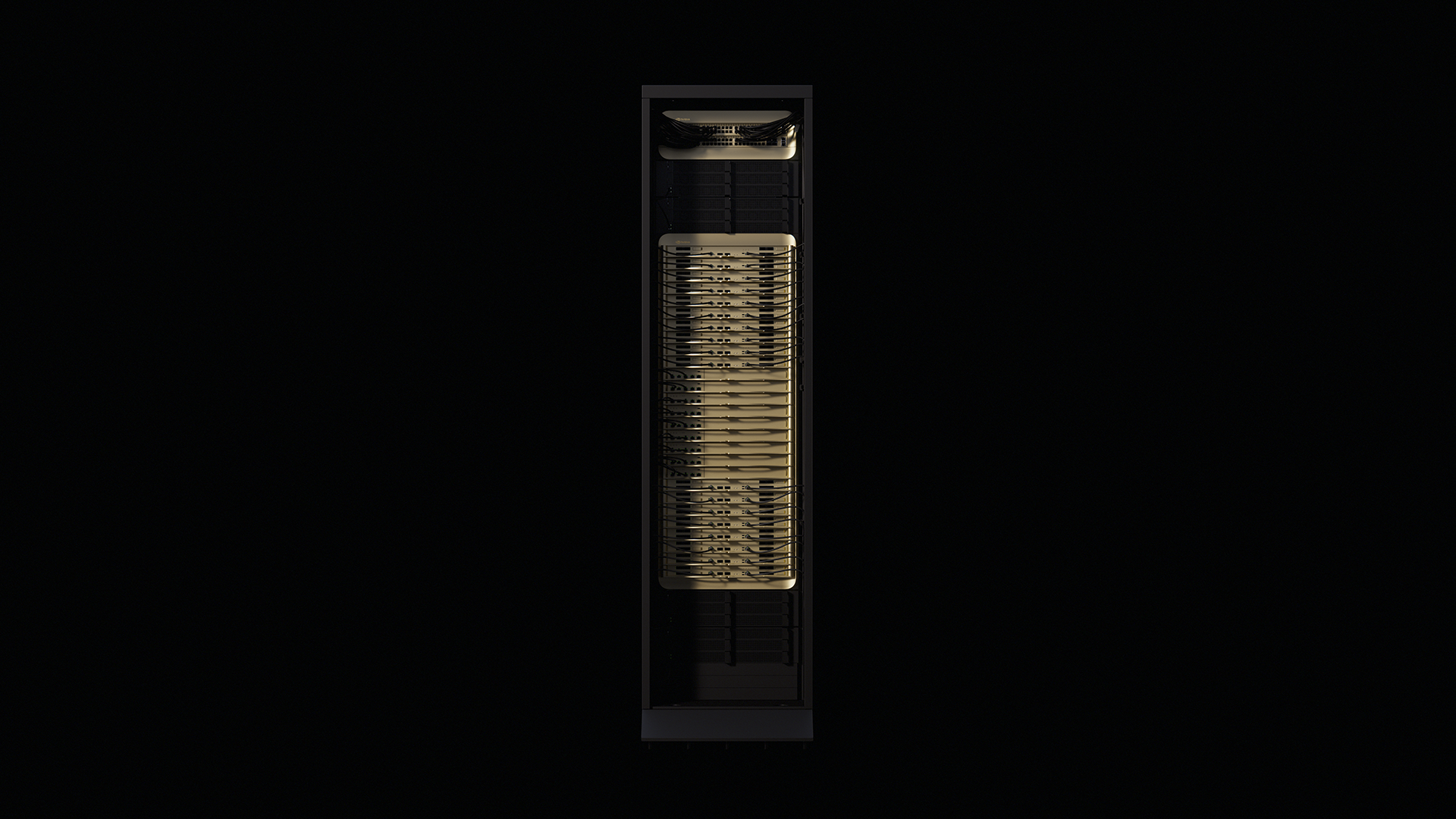
NVIDIA’s Vera Rubin announcement combines processors, networking and other components into a broader platform. Its significance for buyers is architectural: performance is increasingly being sold as the result of coordinated parts, rather than one interchangeable accelerator. Memory procurement, server selection and software decisions become linked earlier in a project.
That coordination can simplify deployment when a supplier has validated the combination. It can also make a change more expensive. An operator considering an alternative needs to account for engineering work, support arrangements and the time required to establish equivalent behavior. A component that looks cheaper in isolation may require more machines or a different serving architecture to deliver the same customer experience.
What a meaningful test would reveal
The most useful evaluation begins with a representative queue of tasks. It includes short and long requests, repeated material that may be cached, unfamiliar material that cannot, and bursts of concurrent users. A single request on an otherwise idle server demonstrates a different operating condition from a shared service during its busiest hour.
MLCommons’ datacenter benchmark framework is useful because it separates defined workloads and operating scenarios. A company still needs application tests of its own. The practical question is whether a memory upgrade lets the same installation complete more acceptable work within the required response time. Peak throughput without a service target can reward a configuration that users experience as unresponsive.
The record should also include failures. Requests rejected because a server lacks room, work moved between devices, and time spent rebuilding state after an interruption all consume resources. An operator who records only successful tasks sees the efficient part of the system and misses the cost of the difficult cases. Those difficult cases are precisely where a claim of dependable autonomy is tested.
The investment consequence
For investors, demand for memory is connected to the shape of AI work, not merely the number of models released. A shift toward longer-running agents may support more spending on memory and interconnects even as individual operations become more efficient. That is a hypothesis about workload design, however, and should be tested against actual utilization rather than inferred from a product demonstration.
Micron specifies a 2,048-pin interface operating above 11 gigabits per second per pin, with more than 2.8 terabytes per second of bandwidth per stack. The company compares its efficiency with its own previous-generation memory at similar speeds. Those qualifiers matter: a component-level comparison does not include every source of power consumption in a server. They also explain why memory deserves its own line in an infrastructure review. The purchase is not simply a quantity of storage. It is a particular way of keeping information available at the speed the processor needs, within a defined physical and electrical design.
For the company buying the infrastructure, the next decision is more immediate. Require a comparison of usable context, concurrency and completed-task cost on the proposed configuration. Make the supplier explain where its performance claim stops and the application’s uncertainty begins. Micron’s production announcement is evidence that an important input is arriving. The buyer’s acceptance test must establish whether that input becomes useful autonomous capacity.
Sources & evidence
This archive preserves its original editorial date. Sources describe the events and announcements discussed; they do not establish today’s status.