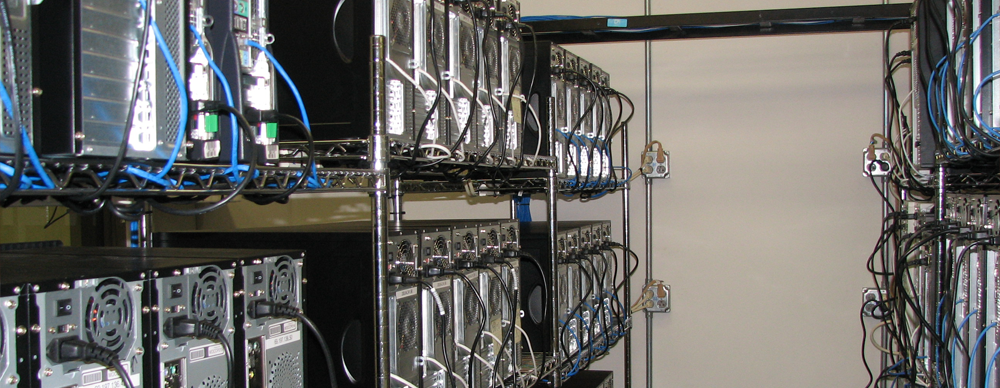
An AI agent can leave an accelerator waiting while it executes code, retrieves data or calls a tool. That makes the balance between CPU work and model inference an infrastructure decision, rather than assuming every bottleneck needs another GPU.
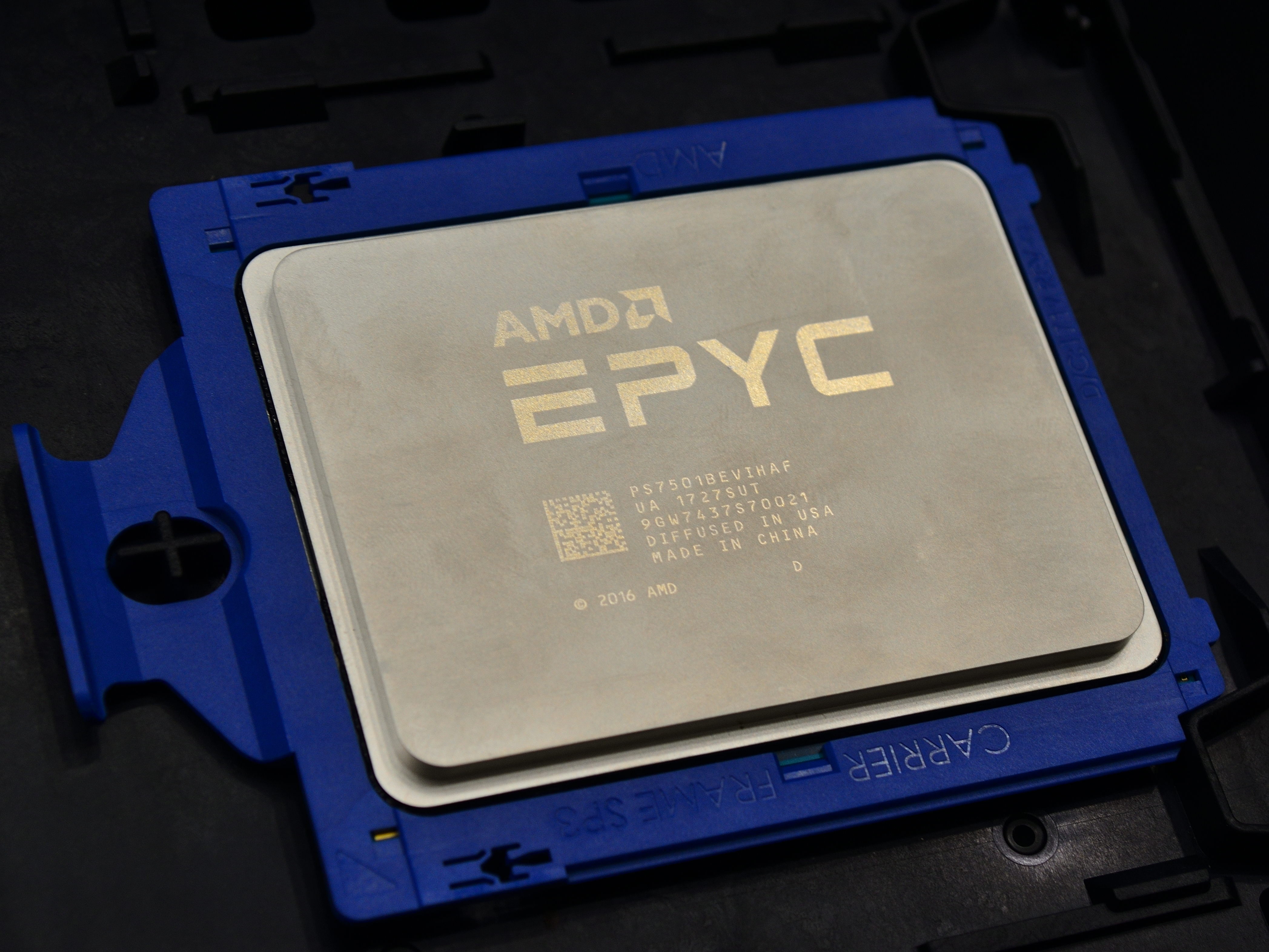
AMD introduced Helion on October 12 as an open rack blueprint with CPU-led and combined CPU/GPU configurations. One example supports up to 32,768 CPU cores; another combines EPYC nodes with Instinct MI350P GPU nodes. AMD said partner configurations were under development and planned for November availability. Those statements describe a design and a timetable, not measured application throughput. AMD Helion rack-scale blueprint announcement.
Provision the stages that actually wait
Separating execution capacity from inference can make sense when their demand changes independently. The challenge is identifying the limiting stage. More CPU cores may help many concurrent sandboxes, but they will not automatically speed a serial tool call or a remote service with its own rate limit.
For an infrastructure team, the immediate task is to measure time spent in model calls, execution, data movement and queues. Our assessment is that the blueprint offers a useful architecture to evaluate, while its scale should not be read as evidence that a workload needs the maximum configuration.
Compare completed work
Longer-term value will depend on whether a balanced system delivers more completed, correct tasks within a power and cost budget. Watch for available partner systems and workload measurements that report concurrency, CPU/GPU utilisation and end-to-end latency. Those would connect the rack design to a defensible capacity decision.
Image reuse: Raysonho / CC0. Original image retained; responsive display may crop the frame.
Sources & evidence
Sources describe the announcements and evidence available when this analysis was published. Company claims are attributed; plans and trials are not treated as sustained operation.