Cerebras and OpenAI announced a multi-year agreement in January 2026 to deploy 750 megawatts of wafer-scale computing systems, with rollout beginning in stages that year. The announcement connected a specialized processor architecture to a much larger infrastructure obligation. The commercial attraction is clear: faster inference for interactive AI. The operational challenge is equally important: delivering the capacity as a dependable service.
An agreement measured in megawatts can look like a completed asset from a distance. In practice, it describes work that must be financed, manufactured, installed and accepted. For the autonomous applications expected to use that computing, the decisive milestone is not the contract headline. It is the point at which the service can perform the required tasks consistently under real customer demand.
Financing is one milestone, not the last
In its June 23 results release, Cerebras reported $6.4 billion in gross IPO proceeds, alongside earlier financing and a working-capital loan from OpenAI. Those are different sources of funding with different obligations. They establish resources available for expansion; they do not establish that an equivalent amount of computing infrastructure is already operating.
The distinction matters because infrastructure spending and service revenue occur on different schedules. Equipment and facilities may require payment before a customer can use them. The delay between those events is part of the business model. A company can have strong demand and still face a difficult delivery program if construction, component supply or commissioning falls behind the expected sequence.
The chip is not the whole installation
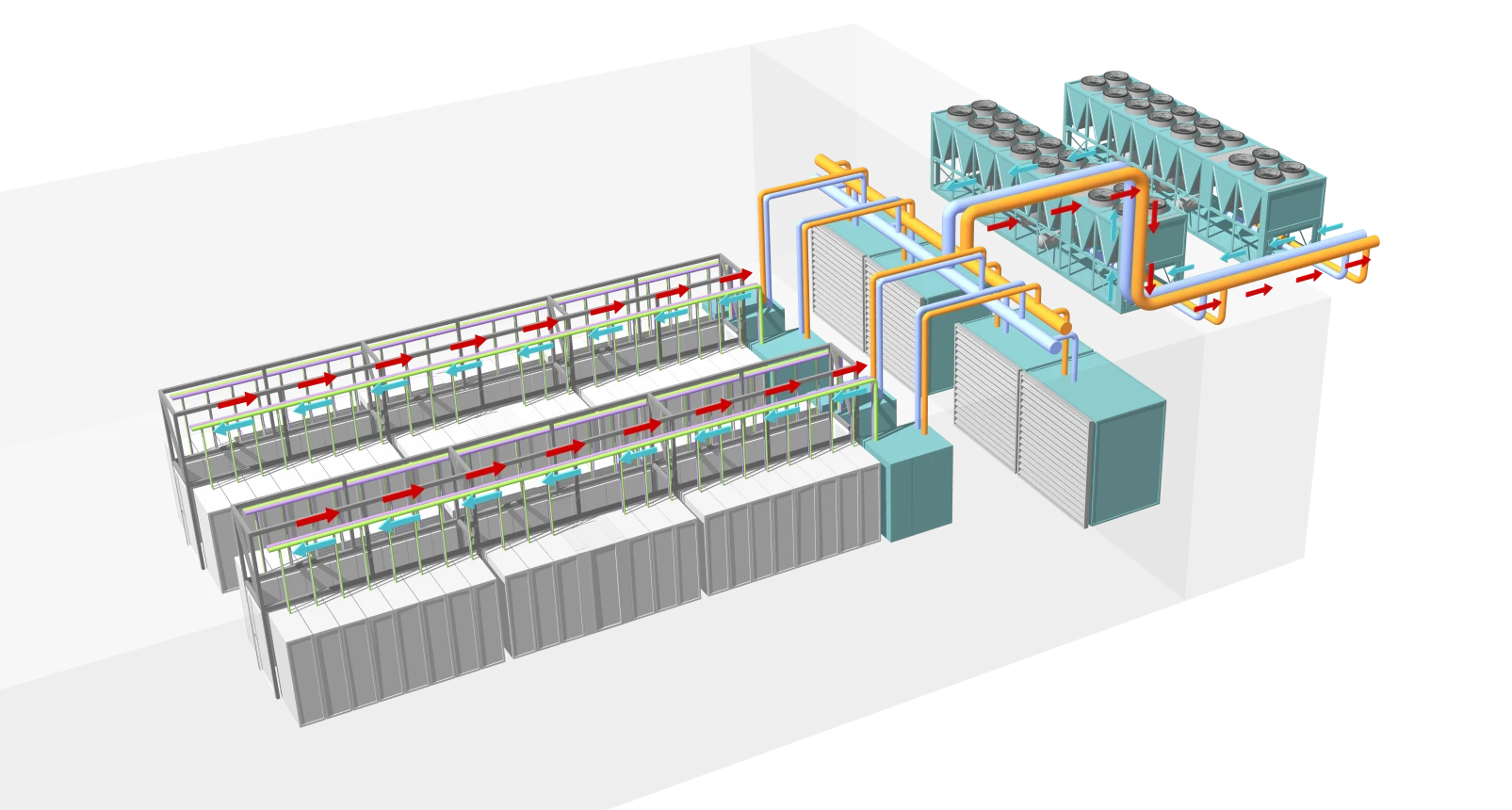
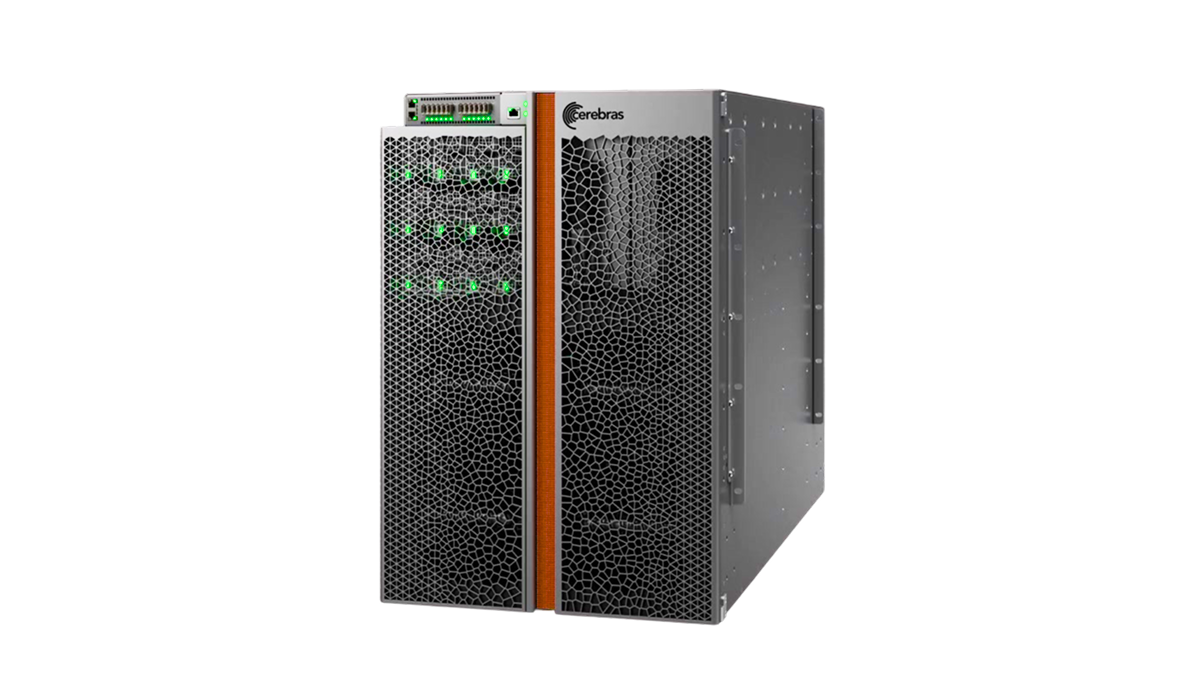
Cerebras’ product materials and system datasheets show a hardware business extending beyond a bare processor. Turning that hardware into cloud capacity adds another layer: a location, electrical service, cooling, networking, operating staff and a software path for customers. Each layer introduces acceptance conditions that a successful chip demonstration cannot satisfy on its own.
This is not a weakness unique to Cerebras. It is what happens when a computing architecture becomes infrastructure. The specialized design may provide a reason to build the service, but the service must also cope with ordinary operational problems. Maintenance, uneven demand and component failures are part of the workload even when they do not appear in a performance chart.
A customer commitment changes the risk
A major customer can give a supplier confidence to invest and can help align hardware development with a real application. It can also make the delivery schedule more consequential. The supplier has to understand exactly which capacity is committed, what performance defines acceptance and how changes in the customer’s model roadmap affect the installation being built.
For readers following the deal, the useful questions are therefore contractual and operational as well as technical. Is a capacity figure a maximum, a scheduled tranche or a delivered service? Does it refer to the computing equipment or the broader facility? A precise answer can be more informative than another comparison of the largest figures announced by competing companies.
Inference speed must survive the complete task
MLPerf’s datacenter framework separates workloads and operating scenarios because performance depends on how a system is used. The same principle applies to a specialized inference service. A model generating tokens quickly in one setting does not establish the response time of an agent retrieving documents, running code and waiting for other tools.
Faster inference can still be highly valuable. It may make an interactive coding loop more usable or reduce the delay between a user’s instruction and a system’s next action. The business case is strongest when the supplier and customer can show where that speed changes an outcome. The relevant measure is the completed workflow, including the parts that the accelerator does not control.
The rollout needs a visible scorecard
The next useful evidence would distinguish planned sites, commissioned systems, accepted capacity and customer usage. Those categories tell different parts of the story. A site can be energized without reaching its intended utilization, while a heavily used initial deployment can coexist with a large amount of future capacity still under construction.
The scorecard should also identify the bottleneck as it moves. Early in a project, financing or equipment may dominate. Later, software integration and operating reliability may become more important. Treating every delay as a chip problem would miss much of the delivery work; treating every signed agreement as operating capacity would miss it entirely.
The June filing also reported both hardware revenue and cloud-and-other-services revenue for the first quarter. That is an important distinction in a company building computing infrastructure. Selling a system transfers a different set of operating responsibilities from selling access to a system the supplier continues to run. Readers should not assume that growth in one category carries the same capital needs or service obligations as growth in the other. The delivery question is therefore also a business-model question: which party owns the installation, which party maintains it, and when does the customer begin paying for useful service?
Cerebras’ OpenAI agreement is important because it links a differentiated computing architecture with a customer able to use it at substantial scale. That connection gives the infrastructure program a purpose. Whether it fulfills the purpose will be established progressively, as financed plans become installations and installations become accepted service. For autonomous AI, those transitions are the substance behind the megawatt headline.
Sources & evidence
This archive preserves its original editorial date. Sources describe the events and announcements discussed; they do not establish today’s status.