When electricity is constrained at one site, spare computing capacity elsewhere is useful only if the workload can move. Data transfer, latency and operating permissions can erase the apparent benefit of a cheaper or more available power supply.
Lumen announced on October 29 that it and Emerald AI are exploring a pilot using Lumen’s network and edge infrastructure. The companies intend to place AI computing across locations according to energy availability while accounting for network performance, latency, security and cost. The source describes a pilot under exploration, not measured savings from a deployed service. Lumen networking and Emerald AI initiative.
Move the right workload
A batch job with a portable dataset presents a different placement problem from an interactive service tied to a local user or a large changing data store. The relevant comparison is the total cost and completion time after transfer and restart, not electricity price alone.
The immediate engineering work is to identify which jobs can be paused, moved or delayed and which must remain near their data. Our assessment is that exposing power as an input to orchestration is useful; the hard part is preserving the service obligation while using that flexibility.
Measure avoided constraint
If the pilot succeeds, a network could help operators use capacity that would otherwise sit idle because of a local power constraint. The next evidence should report workload types, transfer volumes, completion times and energy outcomes against a baseline. Until those results exist, the proposal establishes a plausible control mechanism, not a demonstrated efficiency gain.
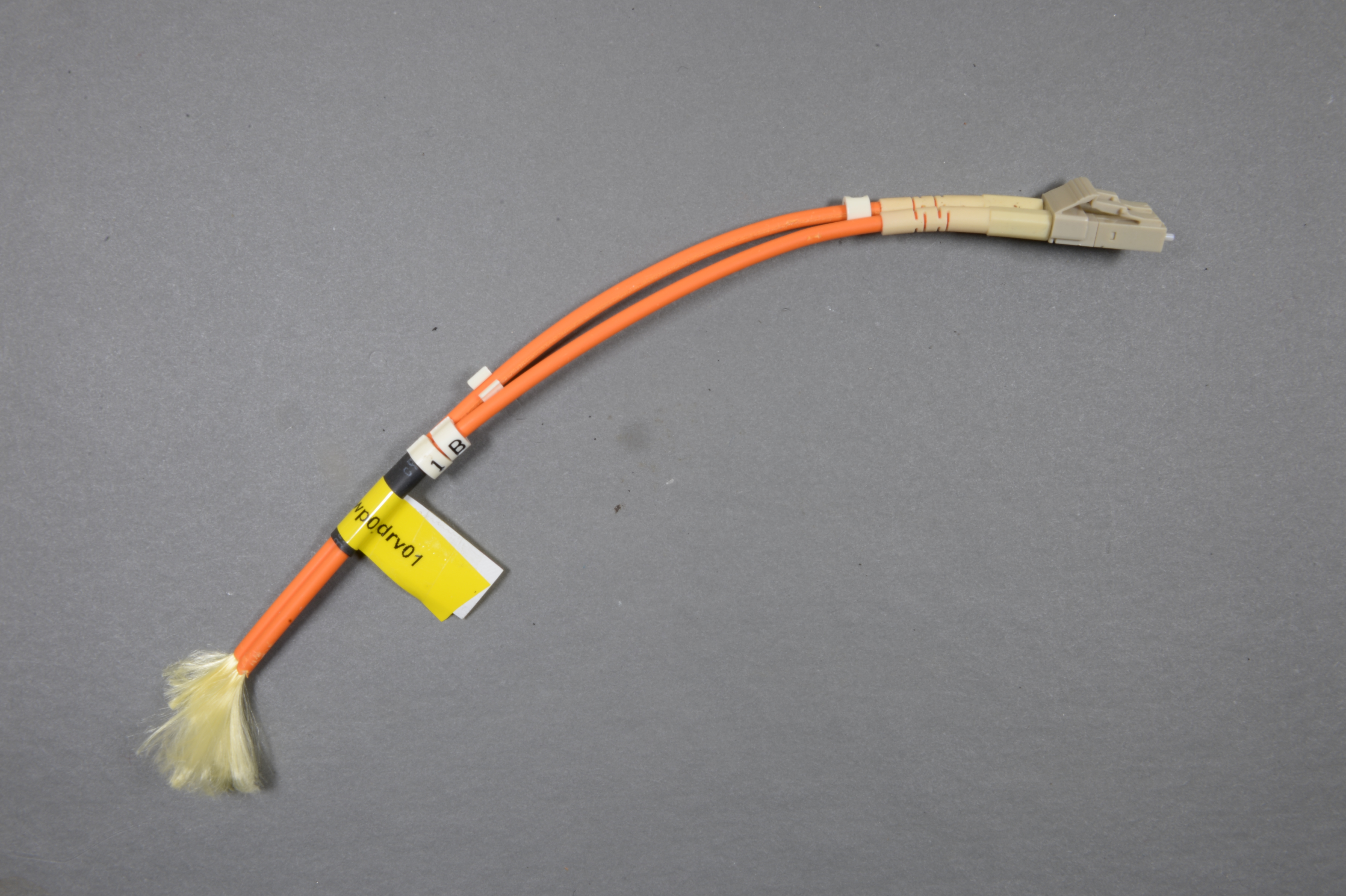
Image reuse: Hannes Grobe / CC BY-SA 4.0. Original image retained; responsive display may crop the frame.
Sources & evidence
Sources describe the announcements and evidence available when this analysis was published. Company claims are attributed; plans and trials are not treated as sustained operation.